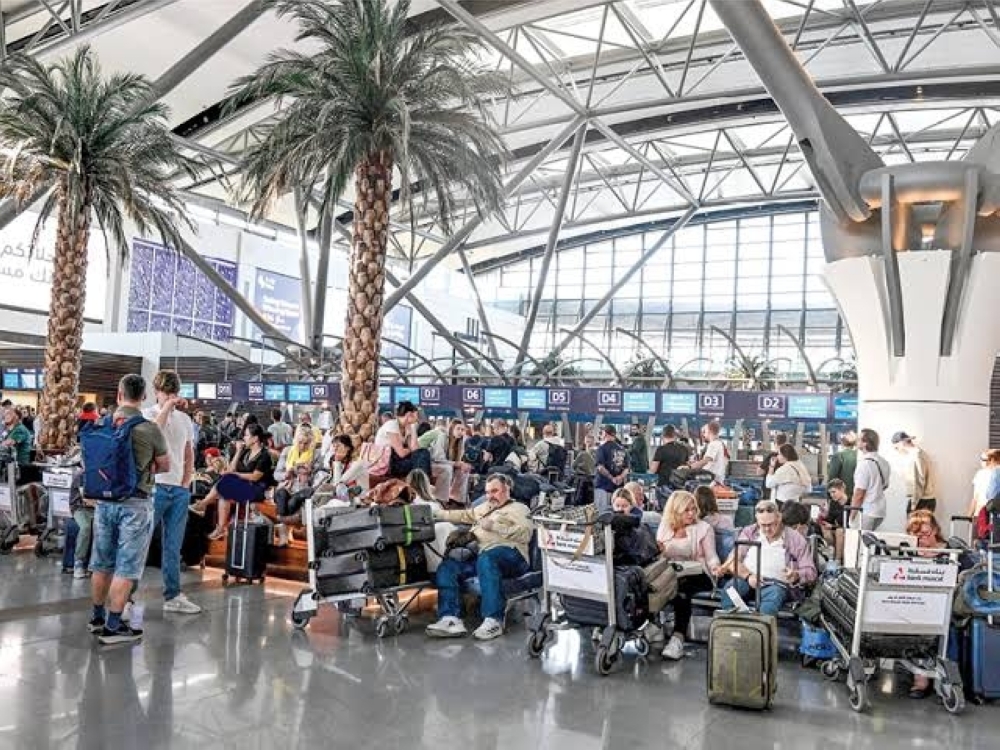
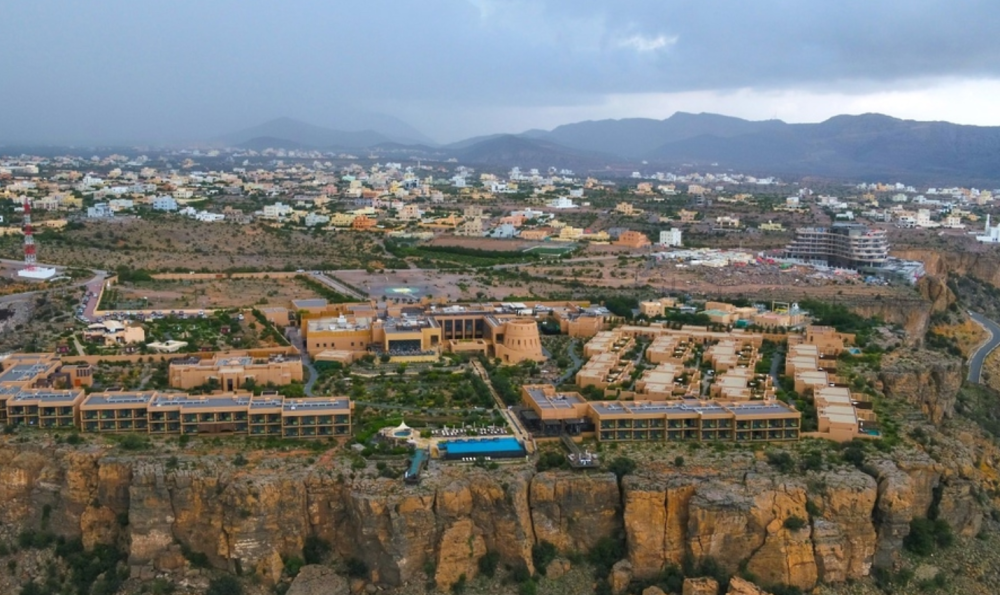
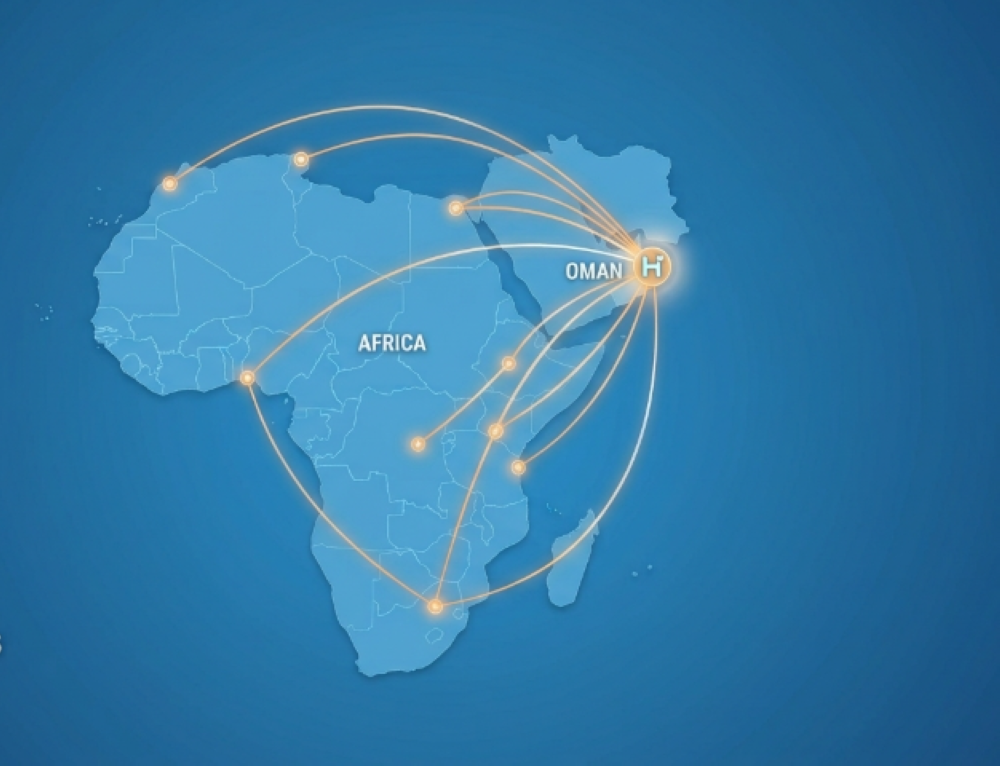
On the occasion of World Tourism Day, the Ministry of Heritage and Tourism (MHT) stressed that it will be focusing on air connectivity, investment, quality of products and services, and ease of booking for travelers coming to the Sultanate of Oman in partnerships with government agencies, the private sector, governorates and airports, hotel establishments, and small and medium enterprises.
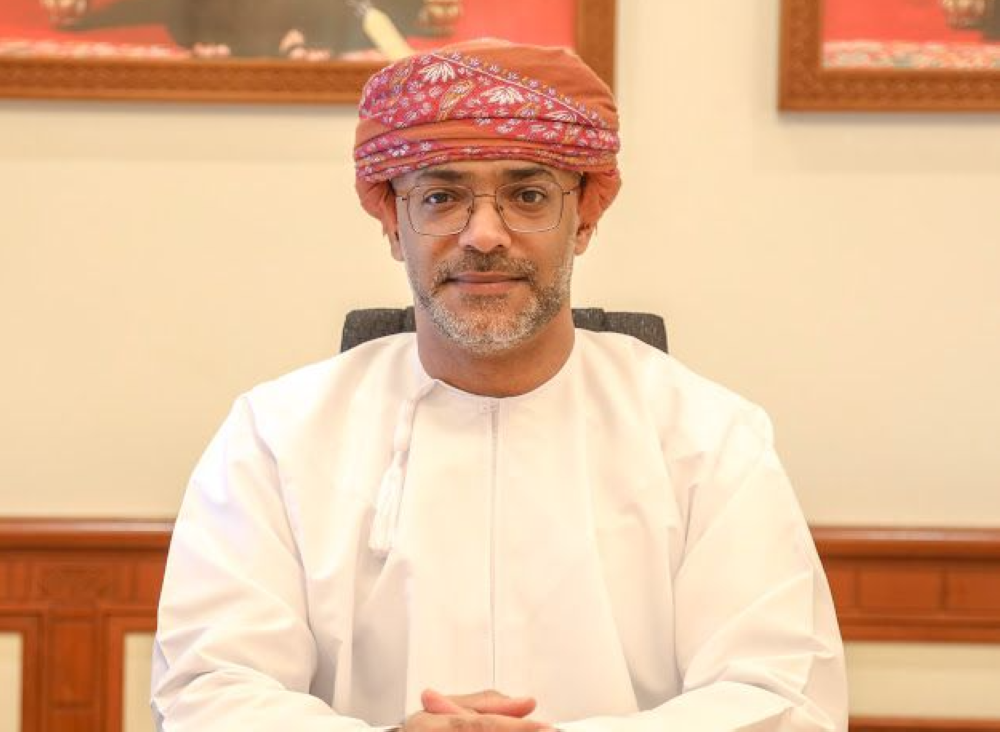
Azzan bin Qassim al Busaidi, Undersecretary of the Ministry of Heritage and Tourism for Tourism, said that results from the first seven months of 2026 reflect the tourism sector's resilience in the Sultanate of Oman amidst fluctuations in regional and international markets.
Azzan bin Qassim al Busaidi, Undersecretary of the Ministry of Heritage and Tourism for Tourism
The Sultanate of Oman saw a nearly 7% growth in tourist visa arrivals due to the effectiveness of promotional efforts and the diversity of target markets.
The arrivals recorded tourist visas grew by 6.9 percent, reaching about 1.308 million, compared to 1.224 million arrivals during the same period last year, and an increase of approaching 84,000 arrivals.
Travelers coming on tourist visas accounted for about 60.8 percent of the total arrivals, while 36.6 percent of these visitors were from GCC, and 2.8% were from cruise ships .
Data indicates that the total number of arrivals to the Sultanate of Oman between January and July 2026 stood at approximately 2.152 million, compared to 2.164 million during the same period in 2025—a slight decline of 0.56 percent. This reflects relative performance stability amidst regional challenges, air travel disruptions, and rising travel costs.
The results achieved by the Sultanate of Oman take on added significance given the conditions the tourism sector in the region experienced during 2026.
His said that regional indicators demonstrate that sustained air connectivity, the rapid restoration of traveler confidence, and the diversification of tourism markets are not merely operational factors; they are fundamental elements for safeguarding the tourism sector and ensuring its sustainable growth.
Gulf markets
He also noted that the Gulf is one of Oman’s most important tourism markets, owing to its geographical proximity, cultural affinity, and ease of access. He explained that work is ongoing to develop campaigns and offers tailored to families, youth, and adventure tourism enthusiasts, aligned with specific seasons, events, public holidays, and weekends.
Data from the World Travel & Tourism Council highlights the growing economic importance of the tourism sector in the Gulf Cooperation Council (GCC) countries; the region accounted for approximately 5 percent of the total global number of tourists in 2025 and captured about 6.9 percent of global tourism revenues.
The fact that the GCC’s share of revenue exceeds its share of tourist numbers indicates the ability of Gulf destinations to attract higher-spending segments, as well as the region's possession of diverse, high-value hotel and tourism offerings.
The total direct and indirect contribution of tourism to the GCC’s GDP reached approximately 11.4 percent in 2025, compared to a global average of 10.3 percent.
The direct and indirect economic value of the tourism sector in GCC countries amounted to approximately US$254.7 billion, representing 2.2 percent of the global tourism sector's economic value, which is estimated at around US$11.7 trillion.
Furthermore, the sector contributed to creating approximately 4.5 million jobs in the GCC—representing 13.6 percent of total employment, compared to a global average of 10.9 percent—while the tourism sector generated around 371 million jobs globally.
Tourism’s contribution to the GDP of GCC countries achieved an average annual growth rate of 7.3 percent between 2019 and 2025—surpassing the global average of 6.7 percent—reflecting the rapid growth of the Gulf tourism sector and its capacity to support economic diversification policies.
Regional indicators showed a 14 percent decline in international tourist numbers in the Middle East during the first quarter of 2026 compared to the same period in 2025, while air traffic in the region dropped by an average of approximately 50 percent between February and May 2026.
Estimates indicate that air travel disruptions and declining traveler confidence led to an estimated drop in regional tourism spending of around $600 million per day during the peak of the disruptions, while the travel of approximately 526,000 passengers daily—passing through various major airports and aviation hubs in the region—was affected.
These indicators confirm that rapidly containing crises, restoring air connectivity, and boosting traveler confidence are critical factors in safeguarding the tourism sector and accelerating its recovery. International experience demonstrates that destinations taking early action—by supporting air connectivity, launching campaigns to restore confidence, and diversifying markets—have significantly shortened their recovery periods compared to destinations that simply waited for demand to return on its own.
Indices reflecting the strength of Gulf passports highlight the extensive global access enjoyed by citizens of GCC countries; this enhances opportunities to boost intro-regional tourism and develop joint, multi-destination travel programs.
According to cumulative data as of July 16, 2026, the number of global destinations accessible to Omani passport holders—out of a total of 227—has grown by 19.7 percent compared to 2016, with the passport’s ranking climbing nine places during the same period.
Passports from other GCC nations also recorded varying degrees of progress: the UAE passport rose by 36 places, Saudi Arabia’s by 15 places, and Qatar’s by 12.
Estimates indicate that air travel disruptions and declining traveler confidence led to an estimated drop in regional tourism spending of approximately $600 million per day during the peak of the disruptions, while the travel plans of some 526,000 passengers daily—passing through key regional airports and aviation hubs—were affected.
These indicators underscore that the rapid containment of crises, the restoration of air connectivity, and the bolstering of traveler confidence are critical factors in safeguarding the tourism sector and accelerating its recovery.
International experience further demonstrates that destinations taking early action—by supporting air connectivity, launching confidence-restoring campaigns, and diversifying markets—were able to significantly shorten their recovery periods compared to destinations that simply waited for demand to return on its own.
Indicators regarding the strength of Gulf passports reflect the extensive access citizens of GCC countries have to international destinations, thereby enhancing opportunities to grow intra-regional tourism and develop joint, multi-destination travel programs.
According to cumulative data up to July 16, 2026, the number of global destinations accessible to Omani passport holders (out of a total of 227) increased by 19.7 percent compared to 2016; the Omani passport also climbed nine places in the rankings during this period.
Passports from other GCC nations also recorded varying degrees of progress: the UAE passport rose by 36 places, Saudi Arabia’s by 15, Qatar’s by 12, Bahrain’s by 10, and Kuwait’s by six. These developments present an opportunity to boost intra-Gulf tourism, develop a joint calendar of events, facilitate visitor movement, and promote the region as a collection of complementary—rather than merely competing—destinations.
The theme for World Tourism Day 2026 reflects the importance of shifting from the traditional use of technology to building an interconnected digital tourism ecosystem. This system relies on data-driven decision-making and facilitates visitor access to information, services, and experiences.